

Have you ever woken up in the morning with no motivation to start the day? Or found that activities you always enjoyed now seem meaningless and unattractive? The reality is that almost everyone experiences this feeling sometimes—days when you don’t have your usual energy, don’t want to do anything, and don’t even feel like talking to anyone. This feeling can be a kind of fatigue, boredom, or even lack of motivation. The good news is that these states are usually temporary and don’t mean “there’s a fundamental problem!” Rather, sometimes you just need to give yourself rest and restore your mind and body. However, sometimes if this feeling of lack of motivation continues for a long time, it can be a sign of more serious problems like depression or mood disorders.
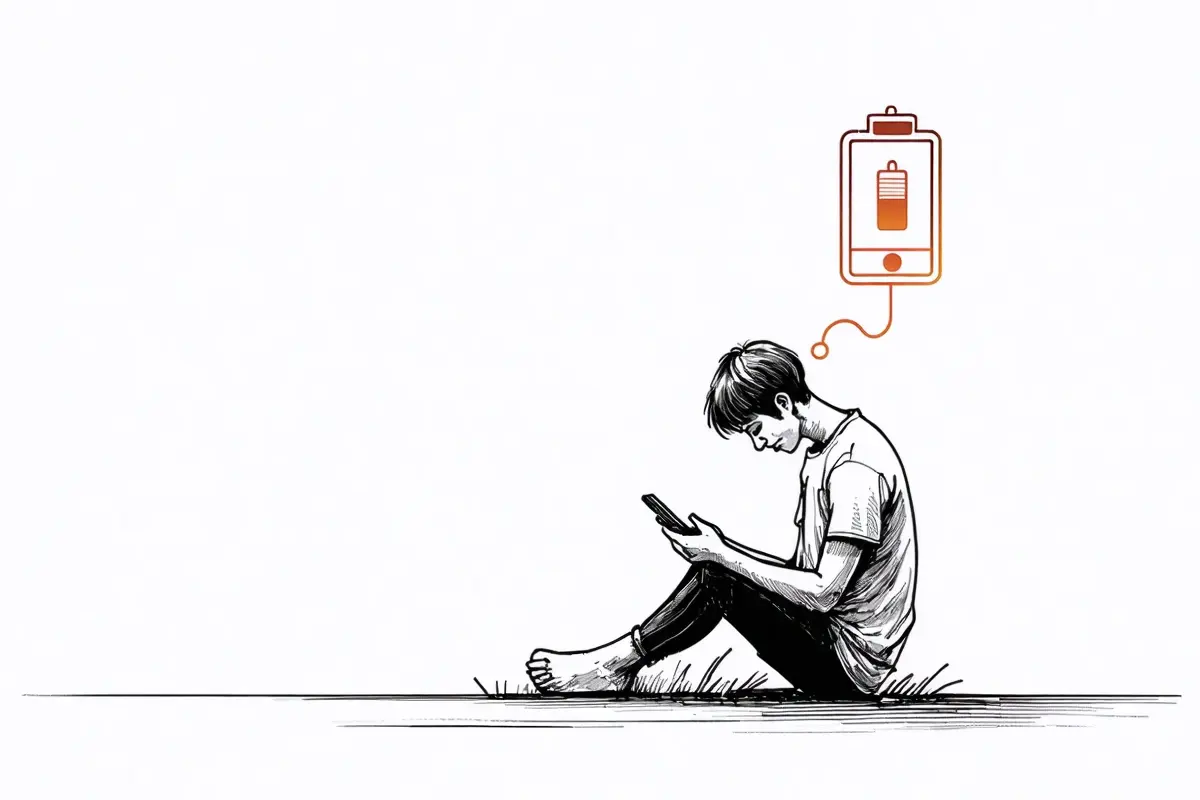
In this article, we’re going to talk very intimately and practically about lack of motivation, examine its causes, and provide solutions based on scientific research that can help you regain motivation and return to life.
Lack of Motivation: Enemy or Friend?
Lack of Motivation Isn’t Always Bad!
Often when we hear the term “lack of motivation,” we think we have a big problem or a personality weakness. But the reality is that lack of motivation is a natural reaction of the mind and body. As Dr. Tobias Dang, MD, a renowned psychiatrist, points out:
“It’s completely natural that after a mentally challenging day, we don’t have motivation for other mental tasks. Similarly, after a day full of physical activities, lack of motivation for physical tasks is completely natural. The human mind and body have limited capacity for continuous effort and need rest.”
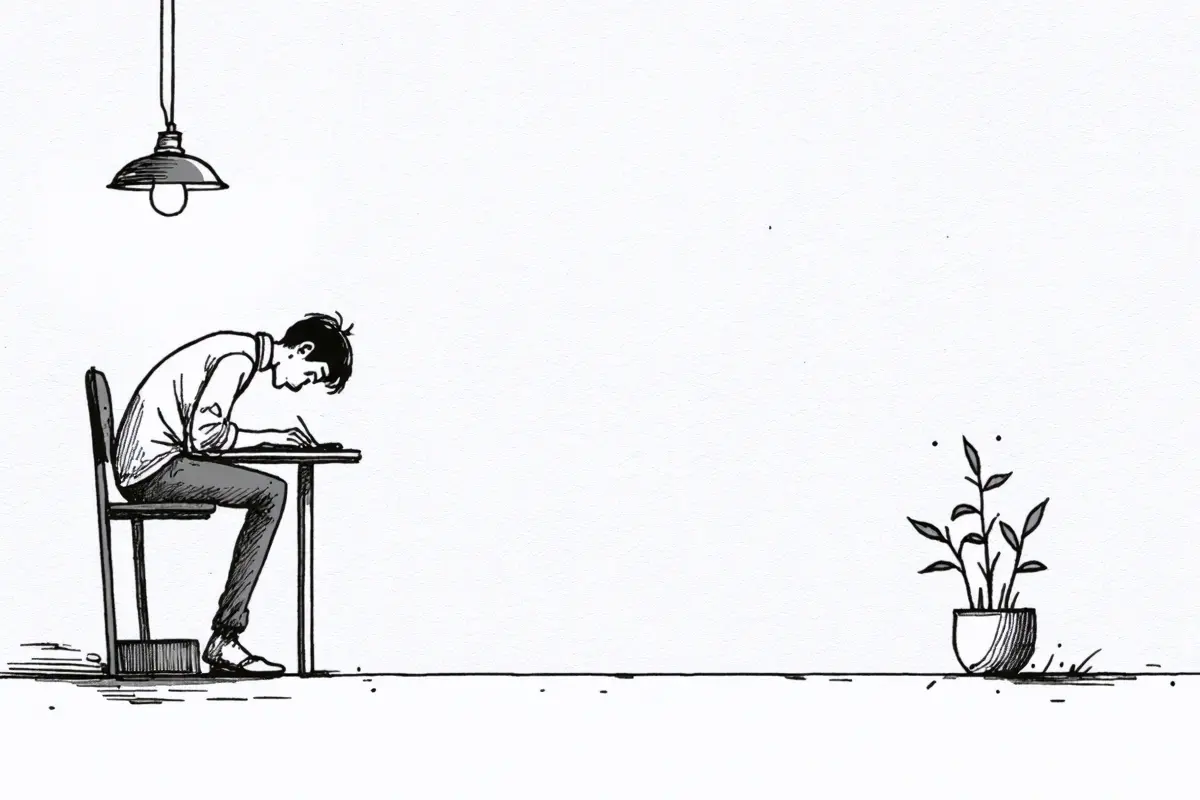
So if today you don’t feel like doing anything, maybe your body and brain are signaling that you should pause and give yourself rest.
When Should You Worry?
But if this feeling of lack of motivation, boredom, or apathy lasts more than two weeks, and you gradually see that you’re not interested in things you used to enjoy or have become indifferent to life, it’s better to consult a mental health professional.
These signs may indicate depression or more serious mental disorders and may need attention and treatment.
Identifying the Roots of Lack of Motivation
Check Yourself
If one day you feel you don’t want to do anything, before criticizing yourself, take a moment to check with yourself:
- Did you get enough sleep?
- Are you hungry or thirsty?
- Have you stayed home too long and not gotten fresh air?
- Is your mind preoccupied with a disturbing issue?
- Are you avoiding a task or person?
- Do you feel tired and stressed?
Sometimes these feelings can result from everyday discomforts, attempts to avoid a task, or even excessive fatigue and pressure. So first of all, make sure you’ve met your physical and mental needs.
Simple Solutions to Start
- Drink a glass of water
- Take a shower or wash your face
- Do some exercise or stretching
- Get some fresh air for a few minutes
These simple actions can help your condition improve a bit and gradually restore motivation.
Give Yourself Rest
Rest Is Your Right!
Sometimes the reason for lack of motivation is stress or burnout. Our mind and body have limited capacity to handle pressure, and if we don’t give them rest, they automatically shut down!

So if you feel unmotivated, maybe it’s time to give yourself a “mental health day.” That means a day when you have no expectations of yourself, forget about what you should do, and only think about yourself and your peace.
How Can You Give Yourself Rest?
- Take a short nap
- Lounge with your favorite book
- Listen to music
- Watch your favorite movie or series
- Just sit in silence and think about nothing
The key here is to allow yourself to rest without guilt, just rest and restore your mind and body.
Be Kind to Yourself
What Does Self-Compassion Mean?
We often treat ourselves badly! If we’re unmotivated, we quickly label ourselves as “lazy,” “worthless,” or “weak-willed.”
But the reality is that being kind to yourself means knowing that experiencing these feelings is part of being human and you’re not supposed to always be strong and energetic.
Studies have shown that self-compassion not only helps reduce stress but can also reduce symptoms of depression and anxiety and improve overall mental health.
How to Be Kind to Yourself?
- Allow yourself to rest even if you haven’t done anything
- Talk to yourself as you would talk to a close friend
- Tell yourself: “You have the right not to have energy today”
- Instead of criticism, encourage yourself and give yourself a chance
Self-compassion is an important skill for days of lack of motivation and can help you regain motivation.
Move! Even Just One Step
Walking: A Simple Miracle
One of the simplest and most effective things for days of lack of motivation is walking in open space. Research has shown that exercise, especially walking, is effective not only in prevention but also in treating symptoms of depression.
Moreover, spending time in nature and open spaces improves general mood, creates positive feelings, better social interactions, and increases happiness and quality of life.
So even if you don’t feel like it, just take a short walk in the park or even your street. Maybe that simple walk will make you feel much better.
Talk, Even If You Don’t Feel Like It
Connection: The Miracle of Bad Moods
When you’re unmotivated or not feeling well, talking to someone can work miracles.
Think about who’s around you who can understand you? Look for someone who just listens, not necessarily gives advice. Sometimes just being heard is enough. Connection with others, even if it’s just being in company, can significantly improve bad moods.
If you don’t have the energy for friends or no one is available, just go out, sit in a café, smile in a store, or say hello to a neighbor. These simple connections can change how you feel.
Plan for the Future, Even If You Don’t Feel Like It
Planning: Mind Motivator
Even if you don’t have the mood or energy to do anything, that’s no reason why you can’t plan for the future or even daydream!
Research has shown that mental visualization and thinking about things you like to do can increase expected motivation and pleasure and help you gain energy to do those things.
For example, you can mentally plan a trip, or visualize a new project or goal. These activities make the feeling of “hope” and “excitement” come alive in you again.
Start with Small Tasks
Start, Even with Something Very Simple
Sometimes lack of motivation is because of a pile of unfinished tasks. When you look at a mountain of work, it’s natural for your brain to freeze and your motivation to disappear.

Here the solution is to just start one small task. Very small! For example, just wash the dishes, just make the bed, or just reply to one email.
This small task will give you a sense of achievement and progress, and you might want to do another task afterward. Even if you don’t, it doesn’t matter! Be proud that you did one small thing.
Writing: Mirror of Your Emotions
Journal: Self-Made Psychotherapy
Writing about emotions is one of the most practical mental health tools. Scientific studies have shown that writing can lower heart rate, reduce anxiety, and even reduce symptoms of depression.
So if you don’t feel like doing anything, just pick up a pen and paper and start writing:
- How did you feel today?
- What made you unmotivated?
- What did you want to do today?
- How do you want to feel tomorrow?
This helps you understand your emotions better and maybe understand where your lack of motivation comes from.
Find Your Own Way
What If These Solutions Don’t Work?
Not all solutions work for everyone. If your mood and motivation haven’t improved with these methods, look for a way that fits your temperament and situation. For example:
- Make a list of steps needed to reach a goal
- Listen to motivational music
- Focus on positive thoughts
- Read a book or listen to an audiobook
- Make or order your favorite food
- Practice deep breathing or meditation
- Spend time with a pet
- Listen to podcasts
- Try motivational and self-help apps
Managing Expectations and Letting Go of Perfectionism
You Don’t Always Have to Be “Perfect”
Perfectionism and unrealistic expectations of yourself are major causes of lack of motivation. When you constantly expect everything to go perfectly, your brain gets tired and unmotivated faster.
Solution:
- Instead of thinking about the final result, focus on the “process.”
- Allow yourself to make mistakes.
- Celebrate every progress—even very small ones.
Importance of Small Routines
Creating Small but Lasting Habits
Sometimes motivation comes and goes like waves, but daily habits can help even on unmotivated days.
For example:
- Do a few minutes of meditation or deep breathing every morning.
- Have a simple evening routine for sleeping.
- Do one small but consistent task every day (like making the bed).
Studies show that having a regular routine increases calm and motivation and reduces stress.
Using Nature and Open Spaces
Nature: Medicine for Lack of Motivation
Research has shown that being in nature and connecting with green spaces dramatically improves mental state, increases feelings of happiness and motivation, and even strengthens social relationships.
So if you don’t feel like doing anything, just go to nature for a few minutes, even if it’s a small park.
Important Signs of Chronic Lack of Motivation
When Should You See a Counselor or Psychologist?
Sometimes lack of motivation isn’t just a temporary state. When this feeling continues for a long time and comes with certain signs, it may indicate more serious problems like depression.
Signs to watch for:
- Unusual irritability and anger
- Changes in sleep patterns (sleeping too much or too little)
- Changes in appetite (avoiding food or overeating)
- Feelings of hopelessness and worthlessness
- Persistently low mood
- Disinterest in things you used to enjoy
- Serious disruption in daily functioning
If you see these signs in yourself and feel that lack of motivation is disrupting your daily life, definitely talk to a friend, family member, or mental health professional.
You’re Not Alone!

Lack of motivation is part of the human experience and no one is immune. What matters is that you’re kind to yourself, recognize your basic needs, release pressure from yourself, and sometimes seek help to restore motivation.
Remember that:
- Lack of motivation is temporary, natural, and solvable.
- Rest and self-compassion are the first steps out of this cycle.
- Connection with others and use of nature work wonders.
- If you see serious signs, use professional help.
We at MindCova are here to help you take your mental health seriously and return to your path of regaining motivation, feeling good, and mental peace.
MindCova is an online platform for mental health and peace of mind. Our team consists of psychologists specialized in various areas including individual, couple therapy, family, and personal growth, and you can choose the right specialist based on your needs and lifestyle.
We believe that psychotherapy isn’t just for severe crises; it’s also necessary for personal growth, emotion management, relationship improvement, and even preventing future problems.
Remember:
Life has ups and downs and we all sometimes need more help and support. You’re not alone on this journey! If you feel that lack of motivation has disrupted your life or you need to talk to a specialist, book a consultation right now through the MindCova website.